PIF (Pupteatra Internacia Festivalo) – Međunarodni festival kazališta lutaka pokrenuo je 1968. Studentski esperantski klub te je u svom prvom izdanju doživio velik i pozitivan odjek u javnosti, ali i na međunarodnoj lutkarskoj sceni. Pokrovitelj prvog PIF-a bila je UNIMA (Međunarodno udruženje lutkara) te je SEK odlučio nastaviti s organizacijom festivala.
Festival je ubrzo prerastao Studentski esperantski klub, pa je njegovu organizaciju od 1971. preuzeo Međunarodni centar za usluge u kulturi i do danas je, kao Kulturni centar Travno, odgovoran za njegovu organizaciju. Festival je tako do 1994., kad ga je napustio dio organizacijskog tima, bio vezan uz esperanto, pa je čak dva izdanja doživio i u norveškom gradiću TromsØu. Uz Zagreb, festivalski programi odvijali su se i u Sisku, Varaždinu, Velikoj Gorici, a 2000-ih su redoviti bili i festivalski izleti i gostovanja predstava diljem Hrvatske. Nekoliko godina nakon napuštanja takve prakse, PIF ponovno radi s povezivanjem s okolnim gradovima, ali i mnogim kulturnim centrima u Zagrebu u sklopu tendencije decentralizacije zagrebačke kulture.
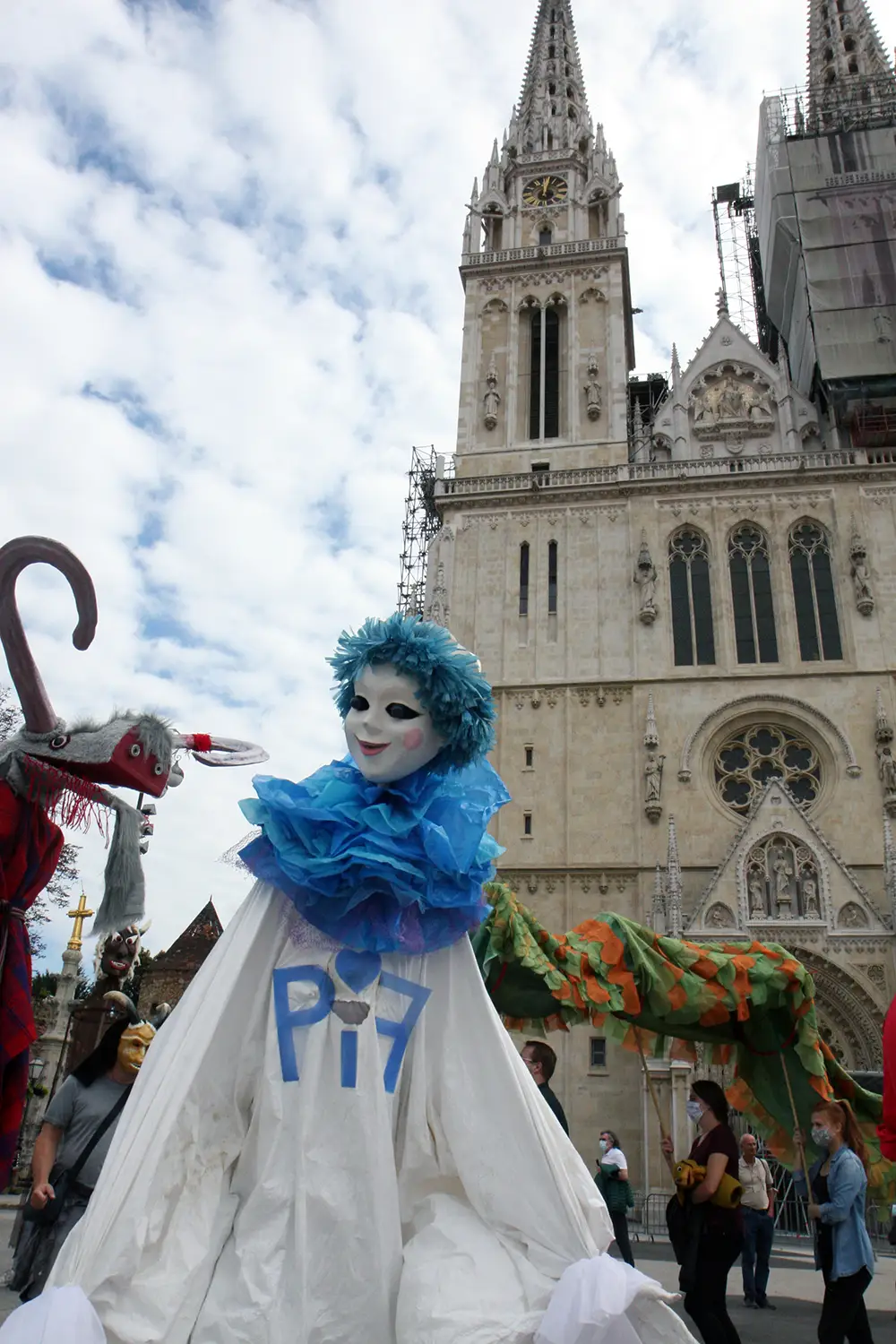
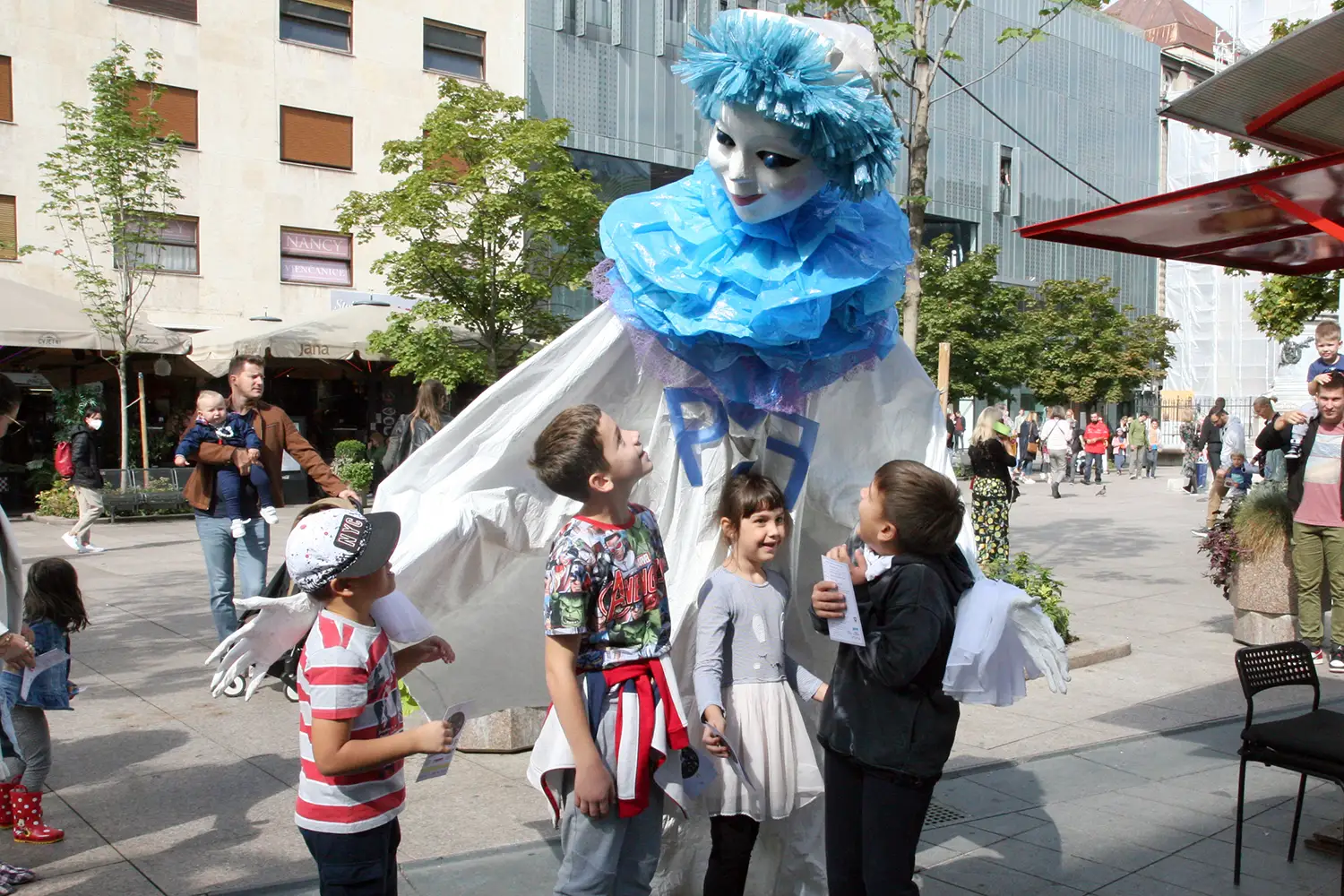
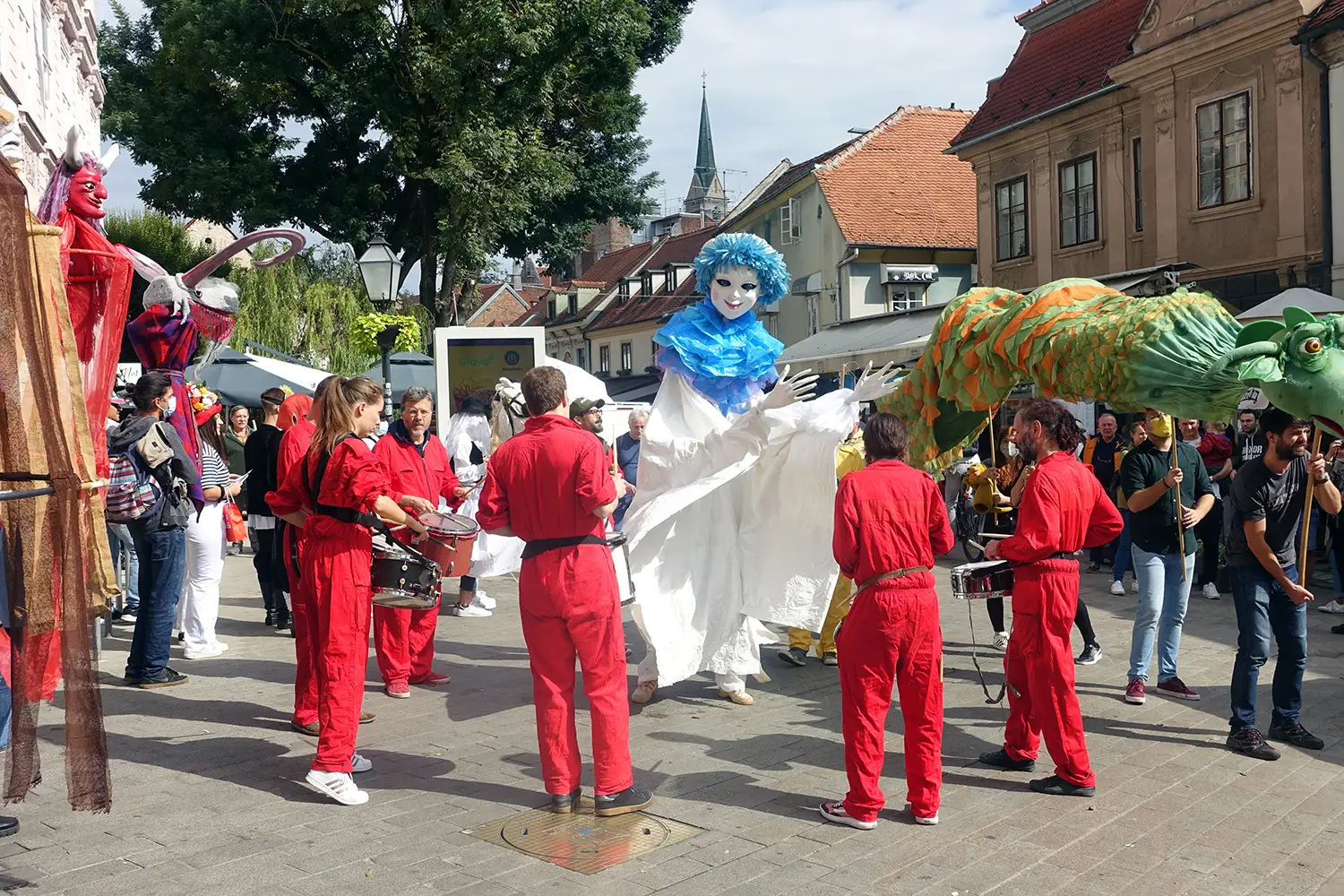
Od 1990. PIF ima i svoju maskotu – gigantsku lutku PIFKA koju je izradila akademska slikarica prof. Mira Dulčić, a koja svake godine stoji na čelu vesele PIF-ove povorke kojom najavljujemo festival. Upravo ta povorka jedan je od znakova prisutnosti i suživota našeg festivala s gradom u kojem se odvija najveći dio njegovog programa te pridonosi promidžbi lutkarstva među najširom publikom.
Tijekom duge povijesti, PIF je publici predstavio oko 970 lutkarskih predstava iz 484 kazališta iz 55 zemlje sa svih kontinenata. Od 1994. do 2006. u sklopu programa zemlja-partner predstavio je niz specifičnih lutkarskih tradicija iz gotovo svih krajeva Europe. U sklopu PIF-ovih popratnih programa redovito su organizirani vanjski programi, predstavljanja knjiga i časopisa o lutkarstvu, izložbe lutaka iz svih krajeva svijeta, lutkarske radionice, projekcije lutkarskih filmova, stručni simpoziji o lutkarstvu i humanitarne akcije. O PIF-u su pisali mnogi, a vrijedi istaknuti riječi Henryka Jurkowskog, uglednog povjesničara lutkarstva i redovitog gosta PIF-a, koji je opisao naš festival kao jedan od najvažnijih europskih festivala i reprezentativni forum lutkarske umjetnosti.
Jačanje veza s međunarodnim festivalima imperativ je bolje kulturne razmjene i plasiranja hrvatske kulture i lutkarstva u svijetu. Intenzivniji kontakti i suradnja s nacionalnim manjinama i kulturnim centrima drugih zemalja koji djeluju u Hrvatskoj, kao i s veleposlanstvima zemalja sudionica na PIF-u pridonosit će kvalitetnijem programu Festivala. Suradnja i partnerstvo u različitim projektima osigurat će da PIF ostane jedna od najznačajnijih lutkarskih meka.
Osnovno stremljenje PIF-a bilo je i ostalo dizati razinu lutkarskog izražaja na svim poljima Festivala. Držati korak sa suvremenim tendencijama u lutkarstvu ne zaboravljajući tradiciju i osebujnost različitih škola lutkarstva naša je misao vodilja i zahtjeva stalno organizacijsko i programsko propitivanje i unapređivanje. Misija PIF-a je profesionalnim stvaraocima na polju lutkarstva, kao i pukim gledateljima, pored tradicijskih, ukazivati i na neke nove dosege i poglede na lutkarsku umjetnost.
Međunarodni Festival kazališta lutaka
We firmly believe that the internet should be available and accessible to anyone, and are committed to providing a website that is accessible to the widest possible audience, regardless of circumstance and ability.
To fulfill this, we aim to adhere as strictly as possible to the World Wide Web Consortium’s (W3C) Web Content Accessibility Guidelines 2.1 (WCAG 2.1) at the AA level. These guidelines explain how to make web content accessible to people with a wide array of disabilities. Complying with those guidelines helps us ensure that the website is accessible to all people: blind people, people with motor impairments, visual impairment, cognitive disabilities, and more.
This website utilizes various technologies that are meant to make it as accessible as possible at all times. We utilize an accessibility interface that allows persons with specific disabilities to adjust the website’s UI (user interface) and design it to their personal needs.
Additionally, the website utilizes an AI-based application that runs in the background and optimizes its accessibility level constantly. This application remediates the website’s HTML, adapts Its functionality and behavior for screen-readers used by the blind users, and for keyboard functions used by individuals with motor impairments.
If you’ve found a malfunction or have ideas for improvement, we’ll be happy to hear from you. You can reach out to the website’s operators by using the following email
Our website implements the ARIA attributes (Accessible Rich Internet Applications) technique, alongside various different behavioral changes, to ensure blind users visiting with screen-readers are able to read, comprehend, and enjoy the website’s functions. As soon as a user with a screen-reader enters your site, they immediately receive a prompt to enter the Screen-Reader Profile so they can browse and operate your site effectively. Here’s how our website covers some of the most important screen-reader requirements, alongside console screenshots of code examples:
Screen-reader optimization: we run a background process that learns the website’s components from top to bottom, to ensure ongoing compliance even when updating the website. In this process, we provide screen-readers with meaningful data using the ARIA set of attributes. For example, we provide accurate form labels; descriptions for actionable icons (social media icons, search icons, cart icons, etc.); validation guidance for form inputs; element roles such as buttons, menus, modal dialogues (popups), and others. Additionally, the background process scans all the website’s images and provides an accurate and meaningful image-object-recognition-based description as an ALT (alternate text) tag for images that are not described. It will also extract texts that are embedded within the image, using an OCR (optical character recognition) technology. To turn on screen-reader adjustments at any time, users need only to press the Alt+1 keyboard combination. Screen-reader users also get automatic announcements to turn the Screen-reader mode on as soon as they enter the website.
These adjustments are compatible with all popular screen readers, including JAWS and NVDA.
Keyboard navigation optimization: The background process also adjusts the website’s HTML, and adds various behaviors using JavaScript code to make the website operable by the keyboard. This includes the ability to navigate the website using the Tab and Shift+Tab keys, operate dropdowns with the arrow keys, close them with Esc, trigger buttons and links using the Enter key, navigate between radio and checkbox elements using the arrow keys, and fill them in with the Spacebar or Enter key.Additionally, keyboard users will find quick-navigation and content-skip menus, available at any time by clicking Alt+1, or as the first elements of the site while navigating with the keyboard. The background process also handles triggered popups by moving the keyboard focus towards them as soon as they appear, and not allow the focus drift outside it.
Users can also use shortcuts such as “M” (menus), “H” (headings), “F” (forms), “B” (buttons), and “G” (graphics) to jump to specific elements.
We aim to support the widest array of browsers and assistive technologies as possible, so our users can choose the best fitting tools for them, with as few limitations as possible. Therefore, we have worked very hard to be able to support all major systems that comprise over 95% of the user market share including Google Chrome, Mozilla Firefox, Apple Safari, Opera and Microsoft Edge, JAWS and NVDA (screen readers).
Despite our very best efforts to allow anybody to adjust the website to their needs. There may still be pages or sections that are not fully accessible, are in the process of becoming accessible, or are lacking an adequate technological solution to make them accessible. Still, we are continually improving our accessibility, adding, updating and improving its options and features, and developing and adopting new technologies. All this is meant to reach the optimal level of accessibility, following technological advancements. For any assistance, please reach out to